Bedroom ergonomics · Furniture planning
Choosing a Bedside Table for a Low Platform Bed
A low platform bed changes the proportions of a bedroom—and the height at which a nightstand feels useful. The right bedside table keeps everyday items close, leaves room for movement, and looks at ease beside the bed. If an adjustable base is part of the setup, its changing positions add another detail to measure before choosing furniture.
Start with the mattress, not the frame
A bed’s advertised height can be misleading. A platform frame may sit close to the floor, but the mattress adds several inches; a thick mattress can bring the sleeping surface up to a height that no longer seems especially low. For choosing a bedside table, the useful measurement is the height of the mattress as it is actually used—not the frame alone.
Begin with the bed in its usual flat position. Measure vertically from the floor to the top of the mattress, where your hand would rest when you are lying down. Take the measurement on both sides if the floor is uneven or the bed sits on a rug. Note the bedding, too: a thick comforter or duvet may soften the edge and slightly affect how easily you reach past it.
That measurement gives you a practical point of comparison. A bedside surface close to mattress height is often easy to reach without a deep stretch or a pronounced bend. It is not a universal rule: body proportions, mattress softness, bed access, and personal preference all matter. Some people prefer a table a little lower, while others find a slightly higher surface convenient when sitting up. The goal is comfortable access in the positions you actually use.
Use the measurement as a starting point rather than a strict specification. A small difference may be unimportant if the tabletop is broad and clear, while a more noticeable height mismatch can matter if you regularly reach for glasses, medication, a book, a phone, or a glass of water during the night. Before buying, compare the table’s stated height with your measurement and, where possible, test the reach from the bed.
Why a low platform bed needs careful proportion
Low platform beds create an open, grounded look. Their clean lines can make a bedroom seem calmer and less crowded, particularly where floor space is limited. A bedside table that is too tall can interrupt that line: the furniture may visually tower over the mattress and make the bed seem smaller. A table that is too low, however, can disappear beside the frame and force the sleeper to reach down awkwardly.
Height is only one part of proportion. Consider the width and depth of the table in relation to the bed, the pathway around it, and the objects it needs to hold. A wide table may suit a spacious room and a broad bed, but feel obstructive beside a narrow platform frame. A compact table can preserve a clear route while still accommodating a lamp and a few essentials. In a small bedroom, the ability to open a drawer or cabinet without blocking a doorway may matter as much as the tabletop dimensions.
Visual balance is not the same as matching every measurement. Two pieces do not need identical finishes or perfectly aligned edges to work together. Instead, look at the whole composition: bed height, mattress thickness, headboard or wall treatment, table width, and the amount of open space around them. A restrained table with simple lines may complement the low profile of a platform bed; a heavier piece can also work if its scale and placement feel intentional.
When possible, mark the table’s proposed footprint on the floor with painter’s tape or paper. This quick test helps reveal whether the furniture will crowd the bed, narrow a walkway, or interfere with a nearby door. You can also place a temporary box or stack of books at the intended height beside the mattress to test reach and overall scale before making a decision.
Measure in the positions you use
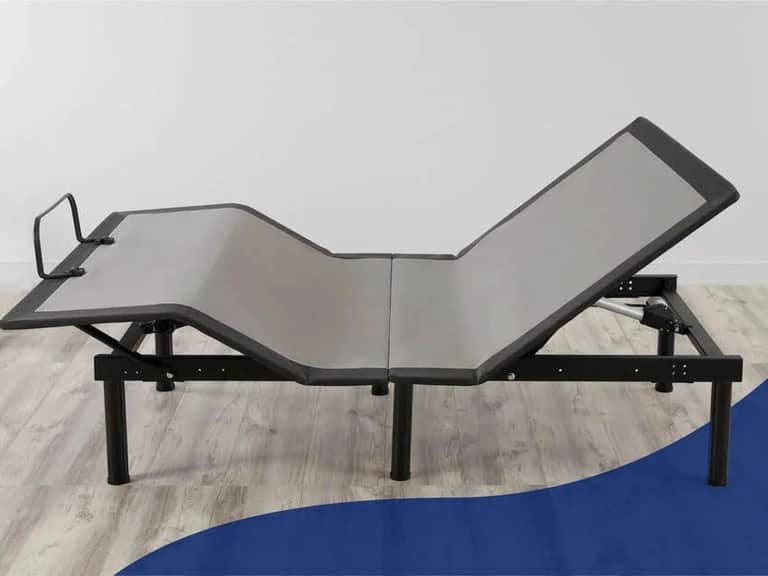
An adjustable bed base makes the bedside-table decision more dynamic. The sleeping surface can change angle as the head or foot section rises, so the relationship between the sleeper, mattress edge, and nearby tabletop changes as well. A table that feels perfectly placed when the bed is flat may be harder to reach when the head is elevated for reading or the feet are raised for rest.
Before settling on a table, consider how you use the base most often. If you usually sleep flat but occasionally raise the head to read, test that reading position. If you frequently elevate the head or feet, assess access in those configurations too. The important question is not whether the table aligns with every possible angle, but whether the essentials remain conveniently reachable in the positions that matter to you.
Try the movements slowly and observe the space around the bed. Does the mattress move toward or away from the table as the base articulates? Does bedding shift toward the tabletop? Is there enough room for the base to move without contacting the table, its legs, or anything stored beneath it? Keep hands, cables, and loose objects clear of moving parts during adjustments, and follow the base manufacturer’s instructions for safe use.
Some adjustable bases are designed to work within an existing frame, while others can stand independently or use height-adjustable legs. The exact installation affects the bed’s final height and clearance. Measure only after the base is installed in the configuration you intend to keep; a planned frame, foundation, or leg adjustment may change the level of the mattress. If the base has a wall-hugging feature, it may shift as it raises, so check the table’s position through the full movement rather than judging it from a single angle.
A practical measuring sequence
A few consistent measurements can turn a vague furniture search into a much clearer comparison. Record them in one place before browsing, and keep the bed configuration in mind when you take each one.
- Measure mattress height: From the floor to the top of the mattress with the base flat and the bed set up as it will be used.
- Note the usable reach: From a lying and seated position, observe how far you can comfortably reach to the side without twisting or leaning sharply.
- Measure the available footprint: Check the gap between bed and wall, the width available beside the mattress, and the route through the room.
- Check the moving base: Raise the head and foot through their normal range and look for contact, shifting, or newly awkward reach.
- Include accessories: Account for a mattress protector, topper, substantial bedding, bedside lamp, charging cable, or other items that affect access.
- Confirm the table dimensions: Compare height, width, and depth—not height alone—with the space and items it needs to accommodate.
Measurements are most useful when they reflect ordinary routines. If you keep a phone on the table, test whether a charging cable can reach without crossing a moving joint or becoming taut. If you use a lamp, consider the height of its switch and shade. If you place a book or water glass nearby, make sure the surface has enough clear area that these objects do not compete for a precarious corner.
Think about what belongs within reach
A bedside table is a small piece of furniture with a surprisingly specific job: it holds things that are useful near the bed. A clear idea of those things helps determine the tabletop size, storage style, and best location. A person who keeps only a phone and lamp nearby may need little surface area. Someone who reads in bed, uses a notebook, or needs room for glasses and other daily essentials may benefit from a broader top or a drawer.
Think about the complete footprint of each item. A lamp’s base can take up more space than its shade suggests, and a charging dock may need room for a cable to bend without being pinched. A drawer can keep small objects out of sight, but its handle and opening path need clearance. Open shelves make items visible and easy to grab, yet can collect dust and make the space look busier. The best arrangement supports a calm routine rather than adding clutter at arm’s reach.
For people who use an adjustable bed for reading, the tabletop should work in that posture as well as when the bed is flat. A lamp may need to illuminate a page without shining directly into the eyes, and a book should be possible to set down without leaning over the mattress edge. Consider whether a wall-mounted light or a separate charging point could reduce demands on the table, especially where floor space is tight.
Keep liquids and electrical items thoughtfully arranged. Use a stable surface for drinks, keep cords organized, and avoid placing anything where a moving bed mechanism could catch it. A tidy arrangement is not merely aesthetic: it makes essential objects easier to locate in low light and reduces the chance of knocking them over while reaching.
Choose a shape and placement that preserve movement
The table’s footprint should work with the bed’s movement and the room’s circulation. Measure from the mattress edge to the nearest wall, wardrobe, radiator, or doorway. A table that fits on paper may still be awkward if its corners protrude into a narrow walking route. Rounded corners can be easier to navigate around in a close layout, while a compact or wall-mounted design can leave more visible floor area.
Placement matters on both sides of the bed. If the base is split, each sleeper may adjust their side independently, and each side may need a slightly different setup. Check that a table does not obstruct controls, cables, or access to the bed. In a shared room, consider how each person gets in and out, and whether one table’s drawer or cabinet door conflicts with the other side of the arrangement.
Give moving parts space. Adjustable bases can have motors, linkages, and support sections beneath the mattress. A table should not press against the frame or block the motion of the base. Leave enough clearance for the bed to operate as intended, while also taking care not to store loose objects where they could slide under a moving section. When the manufacturer provides clearance or installation guidance, use it as the authority for that specific base.
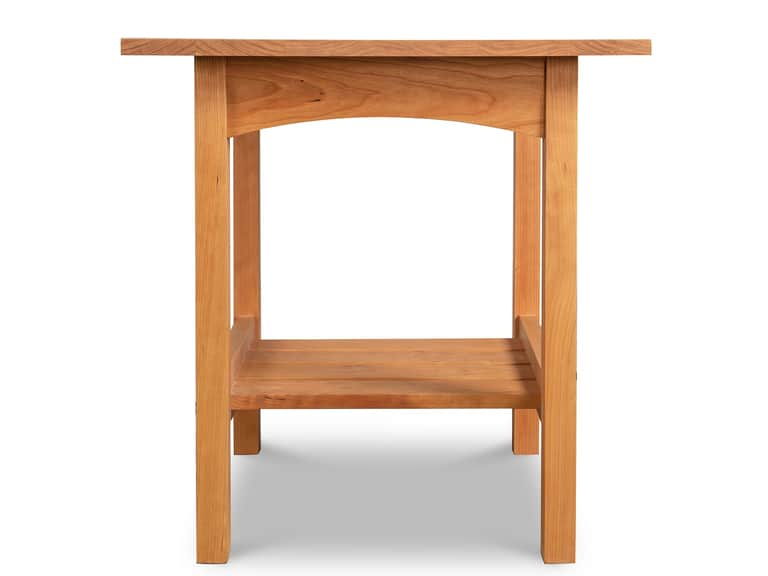
Bedside tables with open legs may visually lighten a room, but their structure and stability still matter. A table should sit level, resist tipping during ordinary use, and support the items placed on it. If the floor is uneven, take that into account rather than compensating by wedging unstable objects underneath. For a rental or a small room, a compact freestanding table may be easier to reposition; a wall-mounted option can free floor space but requires suitable installation and secure support.
When one height does not suit every bed position
In a room where the adjustable bed moves through several positions, a single fixed-height table may not feel ideal at every angle. That does not automatically mean the table is unsuitable. First decide which positions are used most, then make sure the table works reliably in those situations. Occasional inconvenience in a rarely used position may be a reasonable trade-off for a stable, well-proportioned setup the rest of the time.
There are other ways to improve access if a standard table is difficult to position. A C-shaped side table may slide partly beneath the bed, depending on the base’s clearance and movement. A small movable table can be brought closer when needed and shifted away afterward. A wall shelf can provide a surface without occupying the floor, though its height and load capacity should be carefully considered. Each solution has limitations, so test the fit with the bed in motion before relying on it.
Adjustable-height tables may offer flexibility, but the adjustment mechanism should be stable and straightforward to use. A surface that wobbles, drifts, or requires awkward handling may create more inconvenience than it solves. Assess the table when loaded with the objects you plan to keep there, and ensure any moving parts remain separate from the bed’s own mechanism.
Small changes can also help: relocating a charger, choosing a lamp with a smaller base, or using a shallow tray to group essentials may make a compact tabletop more usable. Avoid filling every available surface. A little clear space makes it easier to set something down quickly and preserves the simple, open quality that often makes low platform beds appealing.
Aesthetics, materials, and maintenance
Once the measurements work, consider how the table contributes to the room’s visual character. Low platform beds often pair well with furniture that shares a modest profile, but contrast can be effective when it is deliberate. A light wood table can bring warmth to a pared-back room; a dark finish can anchor a pale bed; a simple painted surface may blend into the wall and keep attention on the mattress and textiles.
Think about how the material will fare beside a bed. A tabletop may encounter water rings, dust, warm lamp bases, or the occasional dropped object. A durable finish and a shape that is easy to clean can be more useful than delicate detailing. If the table is close to a heater or receives direct sunlight, consider how those conditions may affect its finish over time. Follow care guidance for the specific material rather than assuming that every wood, veneer, or coated surface can be cleaned the same way.
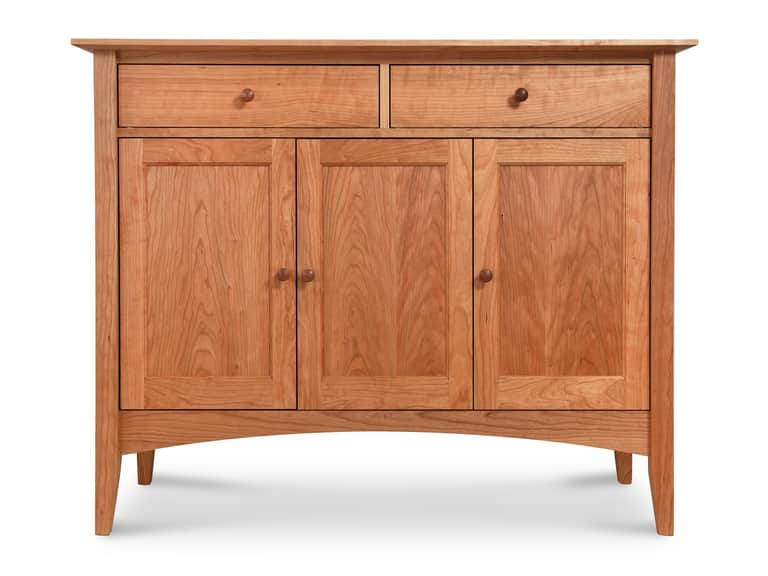
Finish and form can make a small room feel more or less crowded. Open legs reveal more floor and may keep the bed area visually airy; a solid cabinet provides concealed storage but occupies more visual space. A drawer is useful for small items, while a shelf can hold books or a basket. The right choice depends on whether the bedroom needs hidden storage, open access, or as little visual activity as possible.
Do not let appearance override access. A beautifully proportioned table that forces a long reach or blocks a walkway is unlikely to improve the room in everyday use. A useful bedside arrangement should feel natural in the morning and at night, when lighting is low and movements are less deliberate.
Common mistakes to avoid
- Measuring the frame instead of the mattress: The mattress top is the relevant reference for reach, and the final height may change after the base, foundation, or legs are installed.
- Choosing by a room photograph alone: A table’s apparent scale can be difficult to judge without its actual dimensions and the bed’s height.
- Testing only with the bed flat: An adjustable base changes the relationship between the bed and nearby objects. Check the positions used most often.
- Ignoring depth and clearance: A table can be the right height but still crowd a passage, block a drawer, or interfere with base movement.
- Overlooking the lamp and cables: Accessories take up space and may affect reach or become awkward when the bed moves.
- Assuming taller or lower is always wrong: Comfort depends on the sleeper and routine. Use conventional proportions as guidance, then test the actual setup.
These checks are especially useful when ordering furniture online, where a few inches can be hard to judge on a screen. Write down the measurements, confirm product dimensions, and review return or assembly requirements before committing. If the table arrives before the adjustable base is installed, postpone final placement until the bed’s finished height and movement have been confirmed.
A simple bedside-table checklist
Before choosing, use this short checklist to bring measurements, comfort, and layout together:
- Have I measured from the floor to the mattress top in the bed’s normal flat position?
- Does the table’s height allow a comfortable reach from the way I usually lie or sit?
- Have I tried reaching from my most-used raised position on the adjustable bed?
- Can the base move without touching the table or catching bedding, cables, or stored items?
- Is the tabletop large enough for the objects I actually use, without becoming crowded?
- Will the table fit without narrowing the walkway or blocking another piece of furniture?
- Are drawers, shelves, cords, and lamp controls accessible in ordinary use?
- Does the table feel stable and visually balanced beside the low platform bed?
If the answer to one question is uncertain, recreate the layout with tape, cardboard, or a temporary surface. A short trial can reveal whether a seemingly minor difference in height or depth affects your routine. For an adjustable bed, repeat the test with the base flat and raised before deciding on a final location.
Let the routine guide the final choice
The most successful bedside table is not necessarily the one that matches a conventional dimension or a particular style. It is the one that meets the hand where it naturally reaches, fits the working space around the bed, and remains useful when the mattress position changes. Start with the actual mattress height, then consider the movements and objects that shape everyday use.
A low platform bed can make the room feel open and settled. With careful measuring, a compatible table preserves that feeling while putting essentials close at hand. If an adjustable base is involved, treat the bed as a moving part of the room rather than a fixed piece of furniture. Check clearance, test reach in familiar positions, and leave enough space for both the equipment and the people who use it.
That measured approach turns a small furnishing decision into a practical part of bedroom ergonomics. The table should not demand attention. It should quietly support the routines around rest—ready when needed, out of the way when not, and proportioned to the bed that it serves.